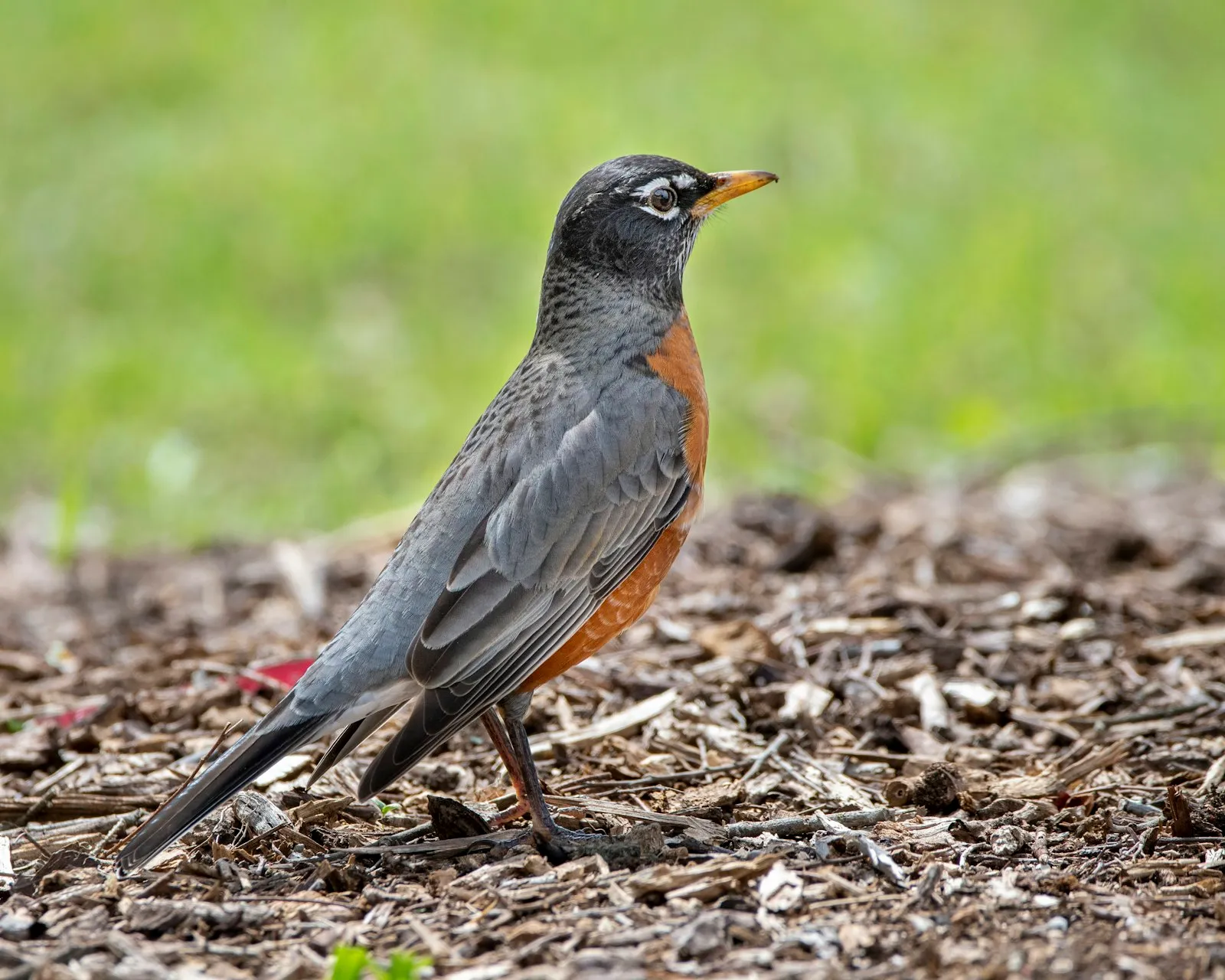
What robins eat depends entirely on the season. In spring and summer, the American Robin is the worm-pulling lawn bird everyone pictures. In fall and winter, that same robin switches almost entirely to fruit and berries and abandons the lawn for the berry trees. Understanding this split is the key to feeding robins, because the food that works in July does nothing in January.
This guide covers the robin’s real diet through the year, why they ignore the seed feeders that draw cardinals and finches, what they will actually take at a feeder, and how to set up a yard that feeds robins naturally. (Note: this is about the American Robin, the large orange-breasted thrush of North American yards, not the smaller, unrelated European Robin.)
TL;DR
Robins eat earthworms, insects, and grubs in spring and summer, then switch to fruit and berries in fall and winter. They are not seed eaters and largely ignore tube and hopper feeders. To feed robins, offer mealworms (live or soaked dried) and fruit on an open platform feeder, plant native berry shrubs for winter, provide a bird bath (robins are heavy bathers), and keep your yard pesticide-free so the insects and worms they eat survive. Never feed bread, dairy, or processed food.
What robins eat in the wild (the seasonal split)
The robin diet is famously split between two seasons, and the Cornell Lab American Robin Life History documents the shift in detail.
Spring and summer: earthworms, insects, and grubs
From the first thaw through late summer, robins eat mostly invertebrates: earthworms, beetle grubs, caterpillars, and other insects pulled from lawns, gardens, and soil. This is the season of the classic image of a robin hopping across a lawn, cocking its head, and yanking a worm from the ground. Invertebrates make up roughly 60 percent or more of the warm-season diet.
Fall and winter: fruit and berries
When the ground freezes and worms and insects disappear, robins do not migrate away from cold as completely as people assume. Instead, they switch their diet almost entirely to fruit and berries and move from lawns to berry-producing trees and shrubs. Audubon’s American Robin field guide notes this dietary flexibility is why robins can overwinter much farther north than their worm-eating reputation suggests. A flock of robins stripping a holly or crabapple in January is the winter face of the same bird you saw pulling worms in June.
The head-tilt myth (they use sight, not sound)
The familiar sight of a robin tilting its head toward the ground before grabbing a worm looks like listening, but research shows robins primarily locate worms by sight, spotting subtle soil movement and worm casts with their laterally-placed eyes. The head-tilt aims one eye at the ground. It is a vision behavior, not a hearing one. Robins do use multiple senses, but the cocked-head pose is about looking, not listening.
Do robins eat from bird feeders?
This is the question that trips up most backyard birders, because the honest answer is “not the way you think.”
Why robins ignore seed feeders
Robins are thrushes, not finches or sparrows. Their beaks are built for catching soft invertebrates and eating fruit, not for cracking hard seed shells. The tube and hopper feeders full of black-oil sunflower and mixed seed that draw cardinals, chickadees, and finches simply do not interest robins. You can run a seed feeder for years and never see a robin on it. The same is true of wrens, another insect-and-fruit eater that mostly ignores seed and comes to suet and mealworms instead.
What robins WILL take: mealworms, suet, fruit
Robins do come to feeders that offer the right food:
- Mealworms (live or dried) are the single most reliable robin feeder food. Soak dried mealworms in warm water for 10 minutes to make them more attractive.
- Suet bits, especially in cold weather, provide calorie-dense fat.
- Fruit: halved apples, soaked raisins or currants, and fresh or frozen berries.
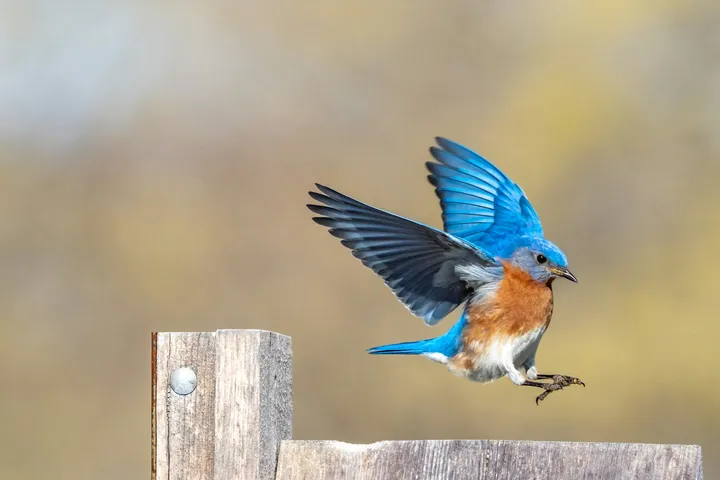
This is the same mealworm-and-fruit approach that works for bluebirds, another thrush relative that ignores seed.
How to set up a robin-friendly feeder
Use an open platform or tray feeder rather than a tube or hopper. Robins prefer to feed at or near ground level, so a low platform (ground level to 5 feet) works best. Put mealworms and fruit out in the morning, and refresh daily so the food does not spoil or attract pests. Our how to attract birds to a bird feeder pillar covers the broader feeder-matching logic: match the feeder and food to the species you want.
What to feed robins in winter
Winter is when feeding robins gets interesting, because their needs change completely and search demand for “what do robins eat in winter” reflects how many people see winter robin flocks and wonder what to offer.
Fruit and berries (the winter staple)
In cold months, fruit is the robin’s lifeline. Offer:
- Halved apples (set cut-side up on a platform or spiked on a branch)
- Raisins or currants soaked in warm water for 10 minutes
- Fresh or frozen berries (thawed)
Robins will also strip ornamental and native berries from trees well into winter.
Mealworms and suet for cold-weather protein
Even in winter, robins benefit from protein. Dried mealworms (soaked) and suet provide fat and protein when insects are unavailable. Keep a platform stocked through cold snaps when natural fruit runs low.
Berry plants that hold fruit into winter
The highest-value long-term winter robin food is not something you put in a feeder, it is something you plant. Native berry plants that hold fruit into winter give robins a reliable cold-season food source: holly, winterberry, sumac, crabapple, juniper, hawthorn, and dogwood. Audubon’s native plants resource helps you find species native to your ZIP code. A yard with winter-fruiting natives feeds robins for years with no daily effort.
What do baby robins eat?
Baby robins eat almost entirely earthworms and soft insects, delivered directly by the parents. Adult robins make hundreds of feeding trips per day to the nest, carrying worms and caterpillars to fast-growing nestlings. The high-protein invertebrate diet fuels the rapid growth that gets young robins out of the vulnerable nest stage quickly.
If you find a baby robin out of the nest, the right response is almost always to leave it alone. Most grounded baby robins are healthy fledglings their parents are still feeding from nearby. Do not try to hand-feed it. Our what do fledgling birds eat guide covers the welfare-first protocol in detail, including when to call a licensed wildlife rehabilitator and why feeding a baby bird the wrong way is a leading cause of death.
What not to feed robins
Bread, crackers, and processed food. No nutrition, fills the crop without calories, and can cause impaction. The classic “feed the robins bread” instinct is genuinely harmful.
Cheese and dairy. Birds cannot digest lactose. Skip all dairy.
Whole peanuts and large seeds. Robins cannot crack or swallow them. Even if a robin investigates, it cannot use them.
Worms from bait shops. Bait worms can carry parasites and are raised in conditions that do not match wild worms. Use commercially raised mealworms instead.
Anything during a salmonellosis outbreak. Project FeederWatch’s Sick Birds and Bird Diseases covers when to take feeders down. Dirty platform feeders with old fruit and mealworms spread disease; scrub weekly with a 9:1 water-to-vinegar solution.
Native plants that feed robins year-round
Because robins eat invertebrates in summer and fruit in winter, the ideal robin yard provides both. Cornell Lab’s American Robin overview describes robins as birds of open ground with nearby trees, which is exactly the habitat a typical yard can provide.
- For summer invertebrates: keep a section of unsprayed lawn, leaf litter, or garden bed where earthworms and grubs thrive. Avoid pesticides, which kill the insects robins (and their chicks) depend on.
- For winter fruit: plant native berry producers (serviceberry, dogwood, holly, winterberry, sumac, hawthorn, crabapple, juniper). Cornell Lab’s mealworm-and-fruit guidance in About Suet, Mealworms, and Other Bird Foods covers the feeder side.
How to attract robins to your yard
Pulling it together, the robin-friendly yard has four elements:
- Open ground for foraging. A pesticide-free lawn or garden where robins can hunt worms and insects.
- Water. Robins are among the heaviest bird-bath users; a bird bath 1 to 2 inches deep, ideally with moving water, draws robins faster than food.
- Fruit, fresh and planted. A platform feeder with apples and soaked raisins in winter, plus native berry plants for the long term.
- Mealworms. An open tray of mealworms during nesting season and cold snaps.
Robins are not feeder birds in the traditional seed sense, so the yard itself (water, open ground, berry plants, no pesticides) matters more than any single feeder. This is the opposite of how you attract a goldfinch or a woodpecker, and it is why robins reward habitat thinking over feeder thinking.
FAQ
What is the best food to feed robins? Mealworms are the best feeder food for robins: offer live or dried mealworms on an open platform or tray feeder, soaking dried ones in warm water first. In fall and winter, fruit becomes the best food: halved apples, soaked raisins, and fresh or frozen berries. Robins largely ignore birdseed because they are not seed eaters. The single best long-term food source is a pesticide-free yard with native berry plants and healthy soil full of earthworms and insects.
Do robins eat from bird feeders? Robins rarely use traditional seed feeders because they cannot crack seeds, but they will visit feeders that offer the right food. Mealworms on a platform or tray feeder, suet, and fruit all attract robins. They prefer feeding at or near ground level rather than at hanging tube feeders. If you want robins at a feeder, skip the seed and offer mealworms and fruit on an open tray.
What do robins eat in winter? In winter, robins eat almost entirely fruit and berries because the frozen ground hides the earthworms and insects they eat in warmer months. They flock to berry-producing trees and shrubs like holly, crabapple, sumac, juniper, hawthorn, and dogwood. To feed robins in winter, offer halved apples, soaked raisins, and fresh or frozen berries on a platform feeder, plus mealworms and suet for protein. This winter fruit diet is why you see robin flocks in berry trees rather than on lawns in cold months.
Do robins eat birdseed? Mostly no. Robins are not seed eaters; their beaks are built for catching insects and eating soft fruit, not cracking hard seeds. They will occasionally peck at finely cracked corn or hulled sunflower, but they ignore the seed mixes that attract cardinals, finches, and chickadees. To feed robins, offer mealworms, suet, and fruit instead of seed.
What should you not feed a robin? Do not feed robins bread, crackers, chips, or any processed human food, which provide no nutrition and can cause crop impaction. Avoid dairy products including cheese, since birds cannot digest lactose. Skip large whole seeds and whole peanuts they cannot swallow. Do not offer earthworms from bait shops, which may carry parasites. Stick to mealworms, suet, fruit, and a pesticide-free yard with natural insects and worms.
What do baby robins eat? Baby robins eat almost entirely earthworms and insects, which the parents catch and feed to them directly in the nest. Adult robins make hundreds of trips per day delivering soft invertebrates to nestlings. If you find a baby robin out of the nest, do not try to feed it; most are healthy fledglings whose parents are still feeding them nearby. Watch from a distance and contact a licensed wildlife rehabilitator only if the bird is injured or truly orphaned. Feeding a baby bird the wrong food or the wrong way is a common cause of death.
What to do this week
If you want to feed and attract robins:
- Put up a bird bath at ground level or low, 1 to 2 inches deep. Robins will find water before food.
- Set out an open platform or tray feeder with mealworms (dried, soaked 10 minutes) rather than a seed feeder.
- In fall and winter, add halved apples and soaked raisins to the platform.
- Stop using lawn pesticides so the worms and insects robins eat can survive.
- For the long term, plant one or two native berry shrubs (serviceberry, dogwood, winterberry) that will feed robins every winter.
The robin is proof that “what do birds eat” has no single answer. The same bird is a worm specialist in spring and a fruit specialist in winter, which is why feeding it well means thinking about habitat and seasons rather than reaching for a bag of seed. For more on how diet shapes which birds visit your yard, see our companion guides on what woodpeckers eat and what mourning doves eat, plus the broader how long backyard birds live synthesis.