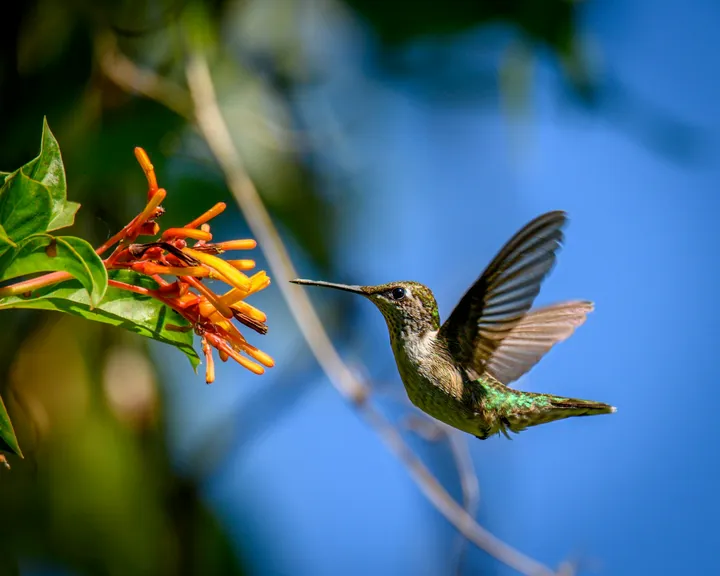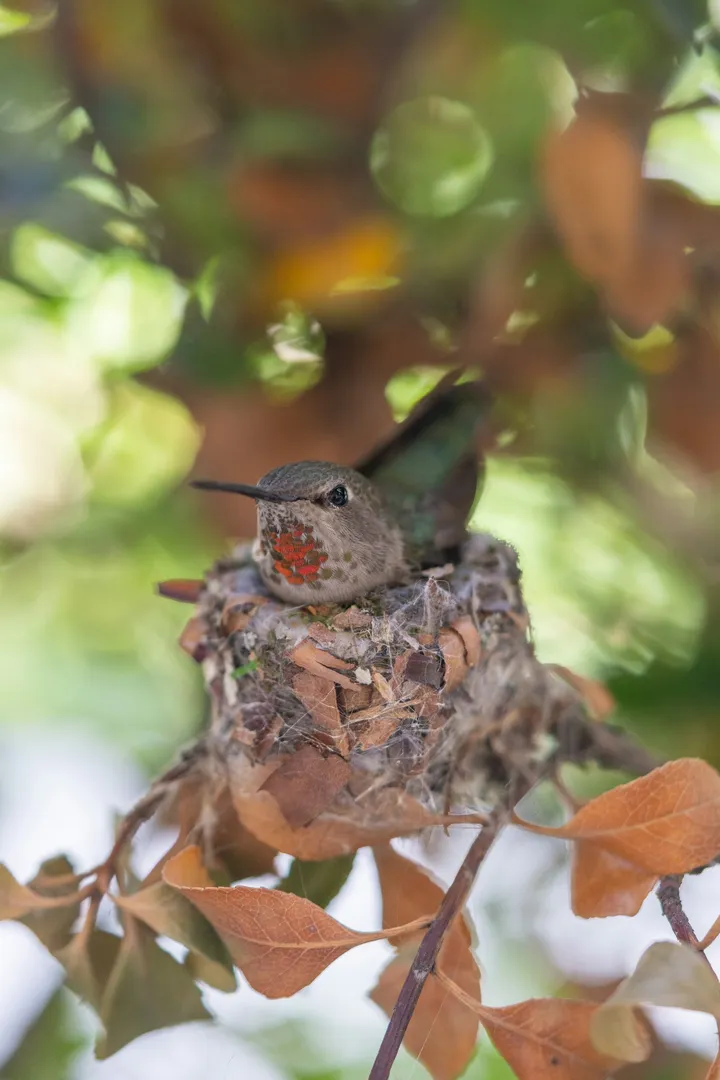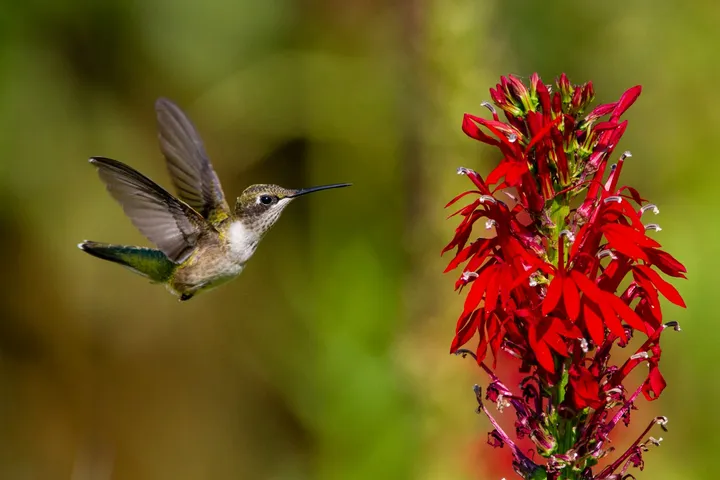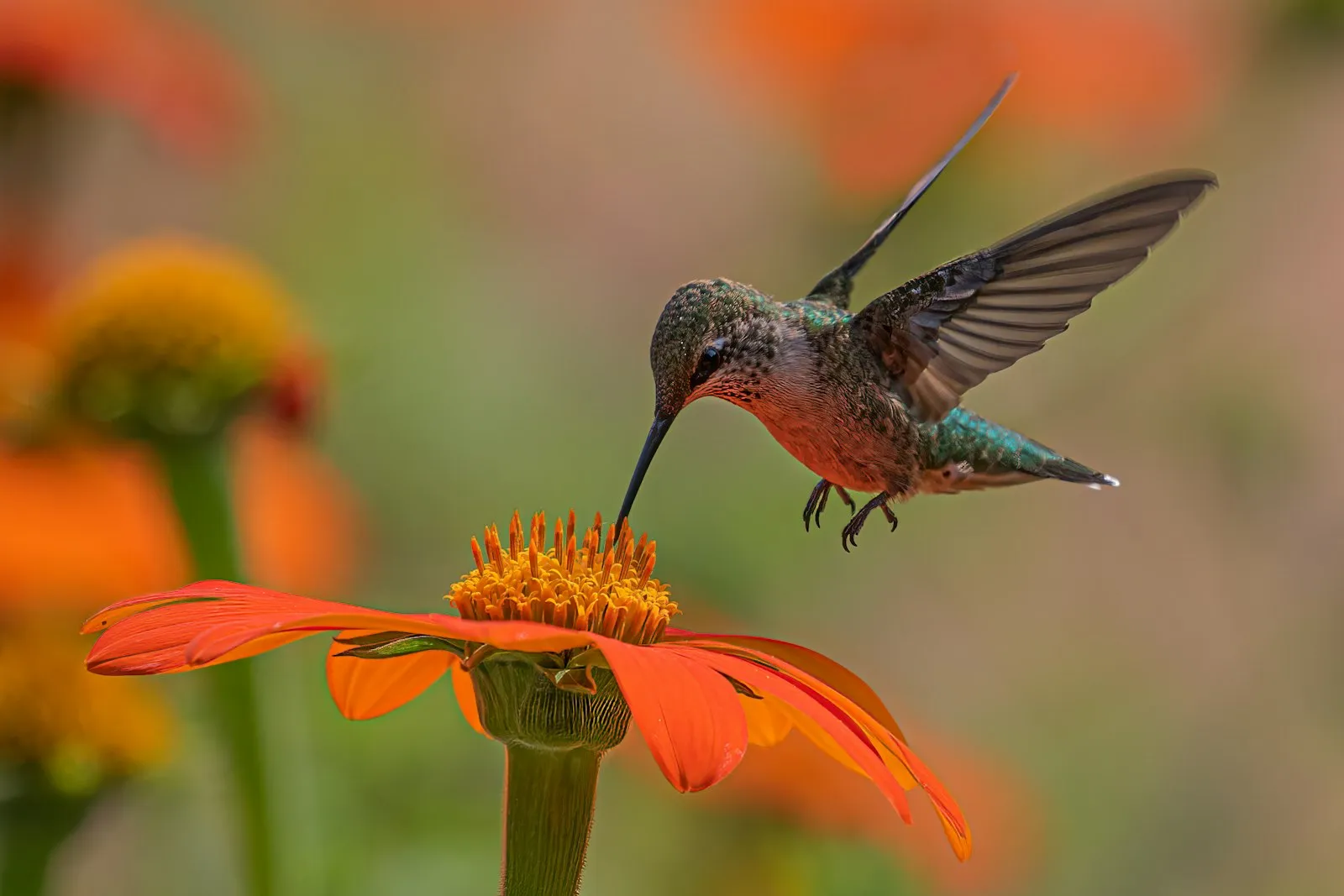
If you live anywhere north of the Gulf Coast, the question of when to put out hummingbird feeders has a real answer, and it’s not “spring.” It depends on what state you’re in, what species moves through it, and how the leading edge of migration tracks north. This is the full state-by-state guide, the species you’ll actually see, and what to do if you think you’ve missed the window.
Quick answer
Put hummingbird feeders out 1 to 2 weeks before the typical first arrival in your state. The rough national picture:
- Gulf Coast states (Florida, Louisiana, southern Texas, Alabama coast): mid-February
- Lower South and southern Midwest (Georgia, South Carolina, Tennessee, Arkansas, Oklahoma, lower Missouri): early to mid-March
- Mid-Atlantic and central Midwest (Virginia, Kentucky, Indiana, Illinois, Kansas): late March to early April
- Upper Midwest, Great Lakes, New England: mid-April to early May
- Pacific Coast (California, Oregon, Washington): Anna’s Hummingbirds are year-round residents. Leave feeders up all year.
- Interior West and Mountain West: late April to mid-May for Black-chinned, Broad-tailed, and Rufous arrivals
The single biggest reason to put feeders out early is that the first hummingbird that finds your yard often returns next year, and may stop on the fall trip back south. Late is better than never; the migration window stretches into early June.
Why early matters more than you think
A hummingbird in early migration is doing something physiologically extreme. Ruby-throated hummingbirds, the species that covers everything east of the Mississippi, fly a 500-mile nonstop crossing of the Gulf of Mexico, often at night, after roughly doubling their body weight on insects and nectar at staging areas in the Yucatán. (Cornell Lab All About Birds: Ruby-throated Hummingbird) The bird that lands on the U.S. coast in late February or early March is metabolically empty, looking for the first available nectar.
That first sip matters for three reasons:
- Fuel for the next leg. A ruby-throated hummingbird burns roughly its body weight in energy daily during migration. The leading-edge birds covering the most ground are also the most fuel-stressed, and a yard with a clean feeder shortens the gap between flower-blooming staging points.
- Site memory. Hummingbirds have strong spatial memory for productive nectar sources. A bird that uses your feeder in spring will often return to it on the fall trip south, and again the following spring. Audubon and Project FeederWatch citizen-science data both show this pattern of yard fidelity. (Audubon: The Audubon Guide to Attracting Hummingbirds and Orioles)
- First-finder advantage. If yours is one of the first feeders in your neighborhood, you’ll capture more passing migrants than a feeder put out two weeks later, when local birds have already settled their territories.
During peak migration, hummingbirds move roughly 20 to 25 miles per day across the continent; the species’ progress is tracked in real time at Hummingbird Central’s migration maps. The push from the southern coast to the Great Lakes takes about 8 weeks of staggered waves, not a single front.
When to put out hummingbird feeders by state
Dates are typical first-arrival windows based on Cornell Lab range data and citizen-science migration maps. Subtract 1 to 2 weeks from these dates to get your put-out date. Year-to-year variation is normal; warm springs pull dates earlier by a week or so.
Southeast and Gulf Coast (put out by mid-February to early March)
| State | First arrival | Put feeder out by | Main species |
|---|---|---|---|
| Florida | Feb 20 to Mar 10 | Feb 10 | Ruby-throated |
| Louisiana | Feb 20 to Mar 10 | Feb 10 | Ruby-throated |
| Texas (coast) | Feb 25 to Mar 15 | Feb 15 | Ruby-throated, Black-chinned (west TX) |
| Alabama | Mar 1 to Mar 20 | Feb 20 | Ruby-throated |
| Mississippi | Mar 1 to Mar 20 | Feb 20 | Ruby-throated |
| Georgia | Mar 10 to Mar 25 | Mar 1 | Ruby-throated |
| South Carolina | Mar 15 to Apr 1 | Mar 5 | Ruby-throated |
| Arkansas | Mar 15 to Apr 1 | Mar 5 | Ruby-throated |
Mid-South and lower Midwest (put out by mid-March to early April)
| State | First arrival | Put feeder out by | Main species |
|---|---|---|---|
| North Carolina | Mar 25 to Apr 10 | Mar 15 | Ruby-throated |
| Tennessee | Mar 25 to Apr 10 | Mar 15 | Ruby-throated |
| Kentucky | Apr 1 to Apr 15 | Mar 20 | Ruby-throated |
| Virginia | Apr 1 to Apr 15 | Mar 20 | Ruby-throated |
| Oklahoma | Apr 1 to Apr 15 | Mar 20 | Ruby-throated, Black-chinned |
| Missouri | Apr 5 to Apr 20 | Mar 25 | Ruby-throated |
Mid-Atlantic and central Midwest (put out by late March to mid-April)
| State | First arrival | Put feeder out by | Main species |
|---|---|---|---|
| West Virginia | Apr 10 to Apr 25 | Apr 1 | Ruby-throated |
| Maryland | Apr 10 to Apr 25 | Apr 1 | Ruby-throated |
| Delaware | Apr 15 to Apr 30 | Apr 5 | Ruby-throated |
| Indiana | Apr 15 to Apr 30 | Apr 5 | Ruby-throated |
| Illinois | Apr 15 to Apr 30 | Apr 5 | Ruby-throated |
| Ohio | Apr 20 to May 5 | Apr 10 | Ruby-throated |
| Kansas | Apr 15 to Apr 30 | Apr 5 | Ruby-throated, Black-chinned |
Upper Midwest, Great Lakes, New England (put out by mid-April to early May)
| State | First arrival | Put feeder out by | Main species |
|---|---|---|---|
| Pennsylvania | Apr 20 to May 5 | Apr 10 | Ruby-throated |
| New Jersey | Apr 20 to May 5 | Apr 10 | Ruby-throated |
| New York | Apr 25 to May 10 | Apr 15 | Ruby-throated |
| Connecticut | Apr 25 to May 10 | Apr 15 | Ruby-throated |
| Rhode Island | May 1 to May 10 | Apr 20 | Ruby-throated |
| Massachusetts | May 1 to May 15 | Apr 20 | Ruby-throated |
| Vermont | May 5 to May 15 | Apr 25 | Ruby-throated |
| New Hampshire | May 5 to May 15 | Apr 25 | Ruby-throated |
| Maine | May 5 to May 20 | Apr 25 | Ruby-throated |
| Michigan | May 1 to May 15 | Apr 20 | Ruby-throated |
| Wisconsin | May 1 to May 15 | Apr 20 | Ruby-throated |
| Minnesota | May 5 to May 15 | Apr 25 | Ruby-throated |
| Iowa | Apr 20 to May 5 | Apr 10 | Ruby-throated |
West (varies; Pacific Coast is year-round)
| State | First arrival | Put feeder out by | Main species |
|---|---|---|---|
| California (coast) | Year-round | All year | Anna’s, Allen’s |
| California (interior) | Mar 15 to Apr 1 | Mar 5 | Anna’s, Black-chinned, Costa’s |
| Oregon (coast) | Year-round | All year | Anna’s |
| Oregon (interior) | Apr 1 to Apr 20 | Mar 20 | Rufous, Anna’s |
| Washington (coast) | Year-round | All year | Anna’s |
| Washington (interior) | Apr 1 to Apr 25 | Mar 20 | Rufous, Anna’s |
| Arizona | Year-round (south) / Apr 1 (north) | All year / Mar 20 | Anna’s, Costa’s, Black-chinned, Broad-billed |
| New Mexico | Apr 10 to May 1 | Apr 1 | Black-chinned, Broad-tailed, Rufous |
| Colorado | Apr 20 to May 10 | Apr 10 | Broad-tailed, Black-chinned, Rufous |
| Utah | Apr 25 to May 10 | Apr 15 | Black-chinned, Broad-tailed |
| Idaho | May 1 to May 15 | Apr 20 | Calliope, Rufous, Black-chinned |
| Montana | May 5 to May 20 | Apr 25 | Calliope, Rufous, Black-chinned |
| Wyoming | May 5 to May 20 | Apr 25 | Broad-tailed, Rufous, Calliope |
| Nevada | Apr 1 to May 1 | Mar 20 | Anna’s, Black-chinned, Costa’s |
Year-to-year variation of 1 to 2 weeks is normal. Track real-time progress at Hummingbird Central’s migration maps, updated regularly during spring migration with user-submitted sightings.
Hummingbird species you’ll actually see, by region
Most guides treat “hummingbird” as a single species. There are 15 species that breed regularly in the U.S. and Canada, and which one shows up in your yard depends entirely on where you live.
East of the Mississippi: Ruby-throated
Ruby-throated Hummingbird is the only breeding hummingbird east of the Mississippi River. Males arrive 1 to 2 weeks before females (the males defend territories first), so the first hummingbird at your feeder in early spring is almost always a male with the bright magenta throat. Ruby-throats breed across the entire eastern U.S. and southern Canada from late April through August, then push south through September and October. By early November, almost all have left the U.S. for Central America. (Cornell Lab: Ruby-throated Hummingbird)
Pacific Coast: Anna’s (year-round) and Allen’s
Anna’s Hummingbird is the year-round resident species of the entire Pacific Coast, from southern California to British Columbia. Anna’s do not migrate in the conventional sense; they hold territories year-round and breed in winter (December through May, the opposite of most North American birds). If you live in coastal California, Oregon, or Washington, leave your feeder up year-round. Allen’s Hummingbird overlaps with Anna’s in coastal California and breeds February through May before migrating south. (Cornell Lab: Anna’s Hummingbird)
Mountain West: Black-chinned, Broad-tailed, Calliope, Rufous
Four species dominate the interior West. Black-chinned breed across the entire interior West from California to Texas, arriving in April. Broad-tailed are the high-altitude breeders of the Rockies; the males produce a distinctive cricket-like wing trill, often heard before the bird is seen. Calliope (the smallest U.S. bird) breeds in mountain meadows from May to August. Rufous have the most extreme migration of any U.S. hummingbird: they breed as far north as southern Alaska and winter in central Mexico, passing through the Mountain West in spring on their way north and the Pacific Coast on their way south. (Cornell Lab: Rufous Hummingbird)
Desert Southwest: Costa’s, Black-chinned, Anna’s, Broad-billed
The Sonoran and Chihuahuan deserts of Arizona and New Mexico support more hummingbird species than anywhere else in the U.S. Costa’s are the desert specialists, breeding from January through May. Anna’s are year-round residents across the lower Sonoran. Broad-billed reach the northern edge of their range in southeast Arizona. If you live in southern Arizona, your feeder may see 5 or 6 species across a year. (Cornell Lab: Costa’s Hummingbird)
What if you missed the window?
A late feeder still works. Hummingbird migration is a long, staggered wave, not a single front. Even after the first birds have arrived in your area, more birds pass through for the next 4 to 6 weeks, and breeding hummingbirds remain in your area until late August or September. A feeder put out in mid-May in New Hampshire still catches the bulk of the breeding-season birds; one put out in late April in Texas catches the entire late-spring push.
The only window you genuinely lose is the first-finder advantage, the situation where your feeder is the first one in the neighborhood and captures more passing migrants. By late spring, local birds have settled their territories. But once you have any breeding hummingbird in your yard, they’ll keep using the feeder all summer.
If your concern is missing first-arriving birds in your specific state, look at the Hummingbird Central spring migration map to see whether sightings have moved into your area yet.
How to track hummingbird migration in real time
Three free tools, all useful for slightly different reasons:
- Hummingbird Central migration maps is the most useful real-time tracker, focused specifically on hummingbirds. Updated regularly during spring migration with user-submitted first-sighting reports.
- Audubon’s bird migration explorer covers all migratory species and has detailed range-and-timing maps with multiple years of citizen-science data, useful for understanding the typical year.
- Project FeederWatch is the long-running Cornell Lab citizen-science program; the data set is the most rigorous record of which birds show up at backyard feeders across North America.
Reporting your own first sighting to Hummingbird Central adds to the same data set the maps draw from. It’s free and takes a minute.
What to do once your feeder is up
You can read the full nectar recipe and feeder-care guide, but the operating essentials:
The nectar recipe (1 minute)
1 part plain white granulated sugar to 4 parts water. Stir until dissolved. That’s it. No red dye, no honey, no brown sugar, no organic sugar, no artificial sweeteners. Boiling is optional for small batches and only matters if you’re prepping a larger batch to refrigerate for 1 to 2 weeks. Full method: hummingbird nectar recipe.
Cleaning cadence (the welfare-critical part)
The single welfare-critical thing you do with a hummingbird feeder is clean it on schedule. Mold, bacteria, and fermenting nectar are fatal to hummingbirds; they cause a tongue fungus that prevents the bird from feeding and kills them within days.
- Above 80°F: empty, scrub, refill every 2 days
- 70-80°F: every 3 days
- Under 70°F: every 5 to 7 days
Use a bottle brush. Soap leaves residue; hot water plus a vinegar rinse is the standard recommendation. (Audubon: Hummingbird Feeding FAQs)
Placement
Hang the feeder in partial shade where you can see it from a window. Within roughly 12 to 15 feet of cover (a shrub, small tree, or trellis) gives hummingbirds a perch to retreat to. Keep it well away from large windows (window strikes are a major hummingbird mortality source). If you don’t have a feeder yet, our best hummingbird feeder guide tiers them by use case (saucer, bottle, window-mount, squirrel-safe) and budget.
When to take feeders down in fall
Leave them up well past your last sighting. The myth that feeders prevent hummingbirds from migrating is just that, a myth. Migration is triggered by photoperiod (day length), not food availability. Late-migrating juveniles and stragglers depend on feeders that are still up in October and even November in the southern U.S.
Rule of thumb: take feeders down 2 weeks after your last hummingbird sighting in fall. If you live in the Gulf Coast, keep feeders up year-round; some ruby-throated and a small number of western species winter in the southern U.S. and depend on backyard feeders. On the Pacific Coast, Anna’s are year-round and feeders stay up all year, period.
What to skip
A few common pieces of advice that aren’t worth your time:
- Don’t worry about putting your feeder out “too early.” Hummingbirds will not freeze if a cold snap hits after the feeder is out. They handle 30°F nights fine if there’s food.
- Don’t use red dye. It’s unnecessary (the red of the feeder itself is what attracts hummingbirds, not the nectar color) and the long-term safety has not been studied.
- Don’t use commercial pre-mixed “hummingbird nectar” powders with red dye and additives. Plain white sugar is what hummingbirds need; the additives are marketing.
- Don’t change the 4:1 ratio for fall migration. The advice to “go richer in fall” (3:1 or 2:1 to help with fat storage) is unsupported by Cornell Lab and Audubon, both of which recommend 4:1 year-round.
- Don’t use coffee grounds as ant deterrent. They don’t work. A proper ant moat (a small cup of water above the feeder) does. The 5-7-9 placement framework is more useful than any folk remedy.
FAQ
What is the best month to put out hummingbird feeders?
It depends on your latitude. In the Gulf Coast states (Florida, Louisiana, southern Texas), put feeders out in mid-February. In the mid-Atlantic and lower Midwest, mid-March to early April. In New England, the Great Lakes, and most of Canada, mid-April to early May. On the West Coast, Anna’s Hummingbirds are year-round residents, so feeders stay up all year.
What is the 5-7-9 rule for bird feeders?
The 5-7-9 rule is a placement guideline: feeders should be no more than 5 feet from the ground (or higher than 9 feet, the cat-jump-and-window zones), within 7 feet of cover so birds can escape predators, and at least 9 feet from windows (or under 3 feet, where birds can’t build up fatal speed) to reduce window strikes. It applies more to seed feeders than hummingbird feeders, but the window-strike piece matters for both.
Will leaving my feeder up keep hummingbirds from migrating?
No. This is a common myth. Hummingbird migration is triggered by changes in day length (photoperiod), not by whether food is available. Leaving feeders up into fall actually helps late migrants and juveniles refuel. Take feeders down 2 weeks after your last sighting.
Why are no hummingbirds coming to my feeder?
Most common causes: feeder is too new in the season (first-time feeders sometimes take 2 to 3 weeks to be discovered), nectar is fermented or moldy (clean and refill), no flowers nearby (hummingbirds locate yards by surveying for red and tube-shaped flowers), or feeder is in a windy or fully shaded spot. Adding a single red salvia or trumpet vine in view of the feeder helps.
Is it too late to put out my hummingbird feeder?
Almost never. Spring migration runs from late February to early June across North America, and feeders are useful through fall migration in September and October as well. A feeder put out in May still catches the back half of the spring push, plus the entire summer breeding season.
What’s a hummingbird’s biggest threat?
Free-roaming domestic cats and window collisions, by a wide margin. Cornell Lab estimates cats kill 1.3 to 4 billion birds per year in the U.S., and window strikes kill another 365 million to 1 billion. Habitat loss is the broader threat at the population level, but at the individual yard level, keeping cats indoors and treating large windows with decals or screens does more for hummingbirds than any feeder choice.
What you can do now
Look up your state in the table above. If your put-out date has already passed, hang the feeder this weekend; you’re still inside the migration window. If you don’t have a feeder yet, the best hummingbird feeder guide covers picks for every use case, and the nectar recipe takes two minutes to make. Then report your first sighting to Hummingbird Central, which feeds the same map you used to find your date.
Once the feeder is up, our hummingbird migration guide explains the spring and fall timing behind these dates, the 7-day plan for attracting hummingbirds covers what to do in the first week, and keeping ants and bees out of the feeder handles the summer pests that arrive once the nectar is out. To understand what your visitors actually need, our guide to what hummingbirds eat covers the insect-heavy diet behind the nectar, and hummingbird nests covers what the females do once they have found your yard.
Sources
- Cornell Lab of Ornithology, All About Birds: Ruby-throated Hummingbird, Anna’s Hummingbird, Rufous Hummingbird, Costa’s Hummingbird
- Audubon: The Audubon Guide to Attracting Hummingbirds and Orioles
- Audubon: Hummingbird Feeding FAQs
- Hummingbird Central Migration Maps
- Project FeederWatch (Cornell Lab)